 Image 1 of 1
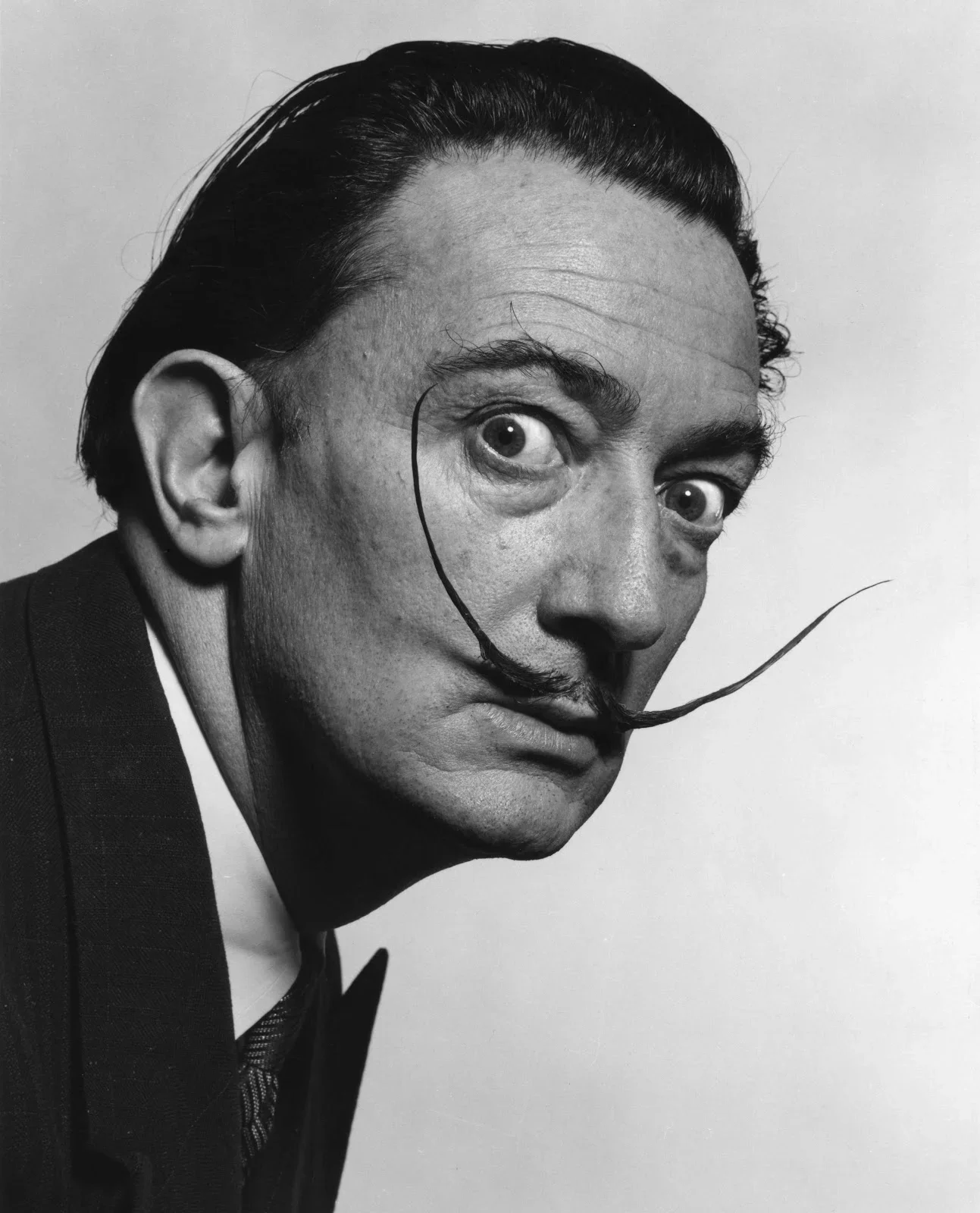
Salvador Dalí artwork
Salvador Dalí (1904–1989) was a Spanish surrealist painter known for his striking, dreamlike imagery, technical precision, and eccentric public persona. His work blends classical painting techniques with surreal, often bizarre subject matter that explores the unconscious, time, memory, and identity. Key characteristics of Dalí’s artwork include:
Dreamlike landscapes: Dalí frequently used vast, empty plains and coastal vistas—often inspired by his native Catalonia—as backdrops that enhance a sense of infinite space and psychological dislocation.
Melting motifs: Soft, melting forms, most famously the limp pocket watches in The Persistence of Memory (1931), symbolize the fluidity and distortion of time and perception.
Hyperreal detail: Dalí’s meticulous draftsmanship and polished surfaces give his unreal scenes an unsettling clarity, making fantastical elements feel tangible.
Double images and hidden figures: He often embedded multiple images and optical illusions within a single composition, inviting prolonged viewing and interpretation.
Symbolic objects: Common recurring symbols include ants (decay), eggs (birth and transformation), crutches (support and weakness), and long shadows (psychological depth).
Freudian and scientific influences: Dalí drew on Freudian psychoanalysis, exploring dreams, desires, and the subconscious, while later works show interest in nuclear physics, mathematics, and classical optics.
Collections and influence
Dalí’s works are held in major museums worldwide, including dedicated institutions such as the Dalí Theatre-Museum in Figueres, Spain.
His influence extends beyond painting into film, photography, fashion, and design. Collaborations with filmmakers (notably Luis Buñuel) and projects with advertising and stage designers helped spread surrealist aesthetics into popular culture.
Salvador Dalí artwork
Salvador Dalí (1904–1989) was a Spanish surrealist painter known for his striking, dreamlike imagery, technical precision, and eccentric public persona. His work blends classical painting techniques with surreal, often bizarre subject matter that explores the unconscious, time, memory, and identity. Key characteristics of Dalí’s artwork include:
Dreamlike landscapes: Dalí frequently used vast, empty plains and coastal vistas—often inspired by his native Catalonia—as backdrops that enhance a sense of infinite space and psychological dislocation.
Melting motifs: Soft, melting forms, most famously the limp pocket watches in The Persistence of Memory (1931), symbolize the fluidity and distortion of time and perception.
Hyperreal detail: Dalí’s meticulous draftsmanship and polished surfaces give his unreal scenes an unsettling clarity, making fantastical elements feel tangible.
Double images and hidden figures: He often embedded multiple images and optical illusions within a single composition, inviting prolonged viewing and interpretation.
Symbolic objects: Common recurring symbols include ants (decay), eggs (birth and transformation), crutches (support and weakness), and long shadows (psychological depth).
Freudian and scientific influences: Dalí drew on Freudian psychoanalysis, exploring dreams, desires, and the subconscious, while later works show interest in nuclear physics, mathematics, and classical optics.
Collections and influence
Dalí’s works are held in major museums worldwide, including dedicated institutions such as the Dalí Theatre-Museum in Figueres, Spain.
His influence extends beyond painting into film, photography, fashion, and design. Collaborations with filmmakers (notably Luis Buñuel) and projects with advertising and stage designers helped spread surrealist aesthetics into popular culture.